Custom Toy Factory Process – Beginner Guide to Custom Action Figure Manufacturing
If you are new to toy development, understanding the Custom Toy Factory Process is very important. This guide explains how custom action figures are made in an easy-to-understand way. It also addresses common questions beginners face when working with custom toy factories, such as minimum order quantities (MOQs), material selection, and production costs.
Custom Toy Factory Process – Basic Overview for Beginners
The production process begins with an idea. You send your design plans or reference materials to the manufacturer, and the factory then transforms your idea into a physical product.
A full making process usually includes:
- Design confirmation
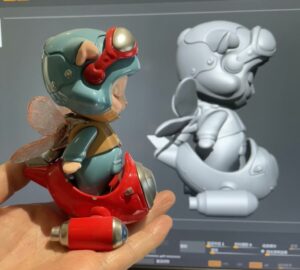
- 3D modeling
- Prototype making
- Mold production
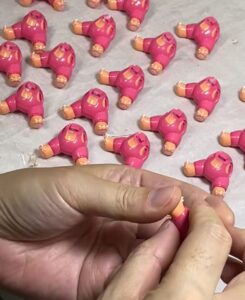
- Mass production
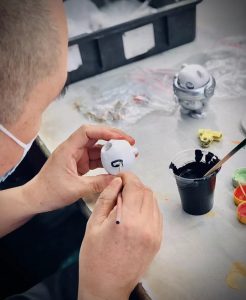
- Painting and assembly
- Packaging
For beginners, the most important step is to clearly finalize the toy design plan. Many issues often arise during the production process because the design plan has not yet been definitively settled.
OEM Toy Production Process– MOQ and Cost Questions
In the production process, MOQ means minimum order quantity. Most factories set MOQ between 100 to 3000 pieces.
For beginners, this is important:
- Low MOQ = higher unit cost
- High MOQ = lower unit cost
The production process cost depends on:
- Figure size
- Material type
- Painting complexity
- Mold structure
Simple figure toy designs cost less in the process. Complex designs need more labor and time.
Material Selection Guide
Materials are very important in the production process.
Common materials include:
- PVC (cheap and flexible)
- ABS (strong and stable)
- Resin (high detail, premium quality)
For beginners:
- PVC is good for mass production
- Resin is good for collectible figures
Selecting the right materials during the early stages of the production process helps reduce costs and avoid delays.
Mold and Production Advice
Mold is the key part of the production process.
There are two main types:
- Silicone mold (small batch)
- Steel mold (mass production)
Manufacturers suggest:
- Use steel mold for long-term production
- Avoid changing design after mold is made
Changing design in the production process can increase cost and time.
Packaging and Final Steps
Packaging is the last stage of the production process.
You can choose:
- Simple plastic bag
- Color box packaging
- Collector premium box
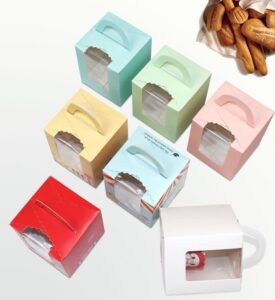
Good packaging improves product value. Many customers upgrade packaging during the production process to increase market appeal.
Manufacturer Advice for Beginners
A professional manufacturer usually gives these tips for the toy factory making process:
- Confirm design before production
- Do not change details after prototype
- Prepare clear reference images
- Plan budget before starting
- Set realistic timeline expectations
These steps help avoid mistakes in theprocess and improve final product quality.
OEM Toy Factory Production Process – Recommended Factory
If you are looking for a reliable partner, we recommend Zhongyi Animation.
They have experience in:
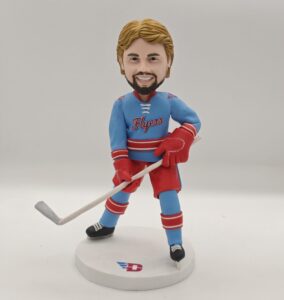
- Custom action figures
- OEM toy production
- Prototype development
- Full custom toy factory process support
Zhongyi Animation can help beginners understand the oem toy figure factory process and turn ideas into real products with stable quality and professional service. They offer customization services for action figures and PVC figures, as well as custom packaging options. They support a minimum order quantity of 100 units.
Conclusion
Understanding the custom toy factory process is crucial for anyone involved in the action figure industry. Every stage—from materials and molds to costs and packaging—requires rigorous oversight. Working with an experienced custom action figure manufacturer ensures better quality, faster production, and fewer mistakes.
For beginners looking for a reliable partner, we recommend Zhongyi Animation, a professional factory specializing in high-quality custom action figure manufacturing and complete custom toy factory process solutions.