PVC vs. Resin Figures: How to Choose the Best Material for Custom Action Figures?
Choosing the best material for custom action figures is one of the most important decisions when developing custom collectible figures. PVC and resin are both widely considered for character products, but they serve different manufacturing needs.
The right option depends on your order quantity, budget, design details, durability requirements, and target market. Understanding their differences before production can help you avoid unnecessary costs and achieve the finish you want.
What Are PVC Figures?
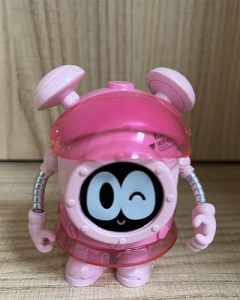
PVC is a thermoplastic material commonly used to manufacture character figures, anime collectibles, and other custom toys.
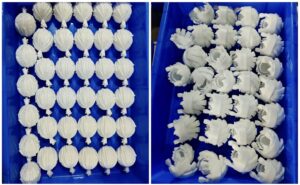
For many medium- and large-volume projects, PVC injection molding offers a practical balance between detail, repeatability, and unit cost. Once the mold is completed and production is stable, the same tooling can produce consistent components across a production run.
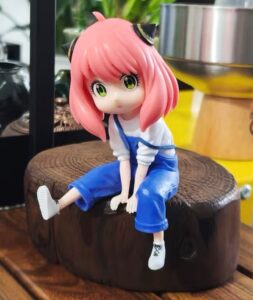
PVC is suitable for figures with detailed faces, clothing, hair, armor, and accessories. Different formulations can provide different levels of flexibility and rigidity.
However, the result depends on more than the material itself. Mold quality, part design, paint application, and assembly all affect the final product.
What Are Resin Figures?
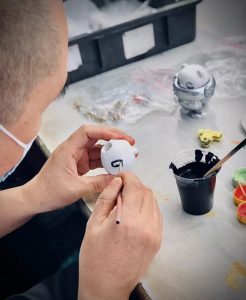
Resin figures are often associated with detailed statues, limited-edition collectibles, and products that require extensive manual finishing.
Depending on the resin system and casting process, resin can reproduce fine sculpted details and support complex display pieces. It is frequently considered when a project has a relatively small production quantity or places a high priority on individual finishing.
Resin also has limitations. Some formulations are relatively brittle and can chip or break if dropped. Manual casting, surface preparation, and finishing may increase labor costs and production time.
For this reason, resin should not automatically be considered the better choice for every premium figure. The intended use and production requirements matter just as much as the level of detail.
PVC vs. Resin: Key Differences
1. Production quantity
PVC injection molding is often attractive for medium- and large-volume orders because the initial tooling investment can be spread across more units.
Resin casting may be more practical for smaller runs, depending on the design and supplier’s process. However, repeated manual work can increase the cost per piece as quantities grow.
2. Detail and surface finish
Both materials can produce detailed figures. PVC performance depends heavily on mold precision and part geometry, while resin casting can reproduce fine details when the master, mold, and casting process are well controlled.
The final finish also depends on sanding, priming, painting, and assembly.
3. Durability
PVC formulations can provide useful flexibility, but durability varies with hardness, wall thickness, part shape, and temperature.
Resin products may be rigid and detailed but can be more vulnerable to impact damage. Thin weapons, fingers, wings, and other projecting parts deserve particular attention.
4. Cost
PVC injection molding usually involves higher upfront tooling costs. Its unit cost may become more competitive at higher quantities.
Resin may reduce some initial tooling expenses for suitable projects, but casting and hand-finishing labor can make each unit more expensive.
A meaningful comparison should include tooling, sampling, painting, assembly, packaging, and shipping—not just the material price.
Which Material Is The Best for Your Custom Action Figures?
Choose PVC when you need a repeatable production process for a larger quantity of character figures, especially when the design includes multiple components and a defined retail price target.
Consider resin when developing a limited-edition statue, a small collector series, or a highly detailed display piece that benefits from careful manual finishing.
Some projects may also use different materials for different components. For example, a figure could use PVC for the main body and a suitable transparent plastic for a special-effect accessory, if the design and manufacturing process support that combination.
The material decision should be made after reviewing the actual 3D model, dimensions, quantity, finish, and intended use.
Questions to Ask Before Requesting a Quote
Before contacting a manufacturer, prepare the following information:
- Character artwork or available 3D files
- Target figure height and estimated component count
- Required order quantity
- Preferred material, if already determined
- Paint finish and packaging requirements
- Target unit cost and delivery date
Ask the supplier to explain tooling costs separately from unit prices. It is also useful to request a sample plan and confirm which changes would require another prototype or mold modification.
Make the Right Choice Before Production
There is no single material that suits every collectible. PVC often offers advantages for larger production runs, while resin can be suitable for detailed, limited-quantity display pieces. The best decision balances appearance, durability, production volume, and total project cost.
An experienced custom figure manufacturer can review your design and compare feasible production methods before tooling begins.
For custom PVC figures and other character manufacturing projects, visit Zhongyi Animation to learn more about the development process.